The Fear Cliche
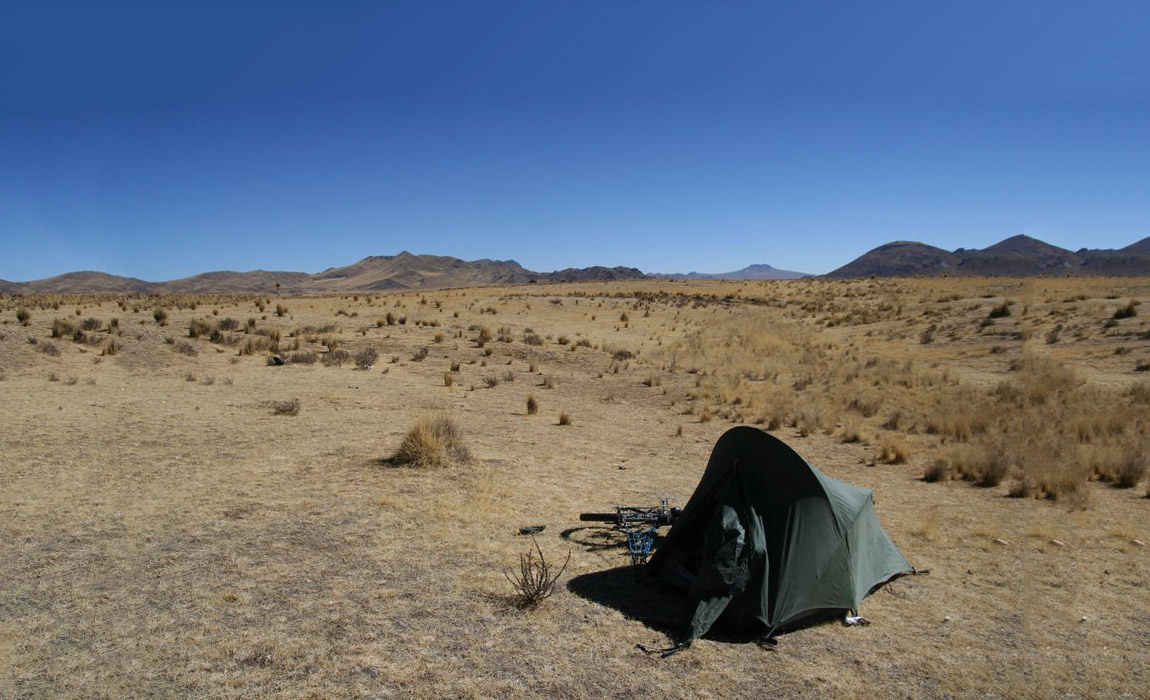
Once, someone read an excerpt from my book, *Long Ride South*, and wrote in a comment that the book was good despite the clichés. I thought, “But my life is full of clichés too!” I think everyone’s life has a good share of them. I mean—ordinary people, ordinary lives… common things. There’s always someone experiencing for the first time something many others have already lived through, and that doesn’t make it any less exciting or worthwhile.
But in a way, I refuse to believe that an experience like the one I had could contain that many clichés. There may be clichés specific to bicycle travel, but most likely they fall outside the usual common sense.
Anyway, let’s get to the topic of today’s article.
Routinely, many of the emails I receive start with the same question: “But were you never robbed?” It’s strange, but it’s true. In the middle of a whole universe of fascinating things that opens up when you hit the road on a bicycle, people still want to know about violence!
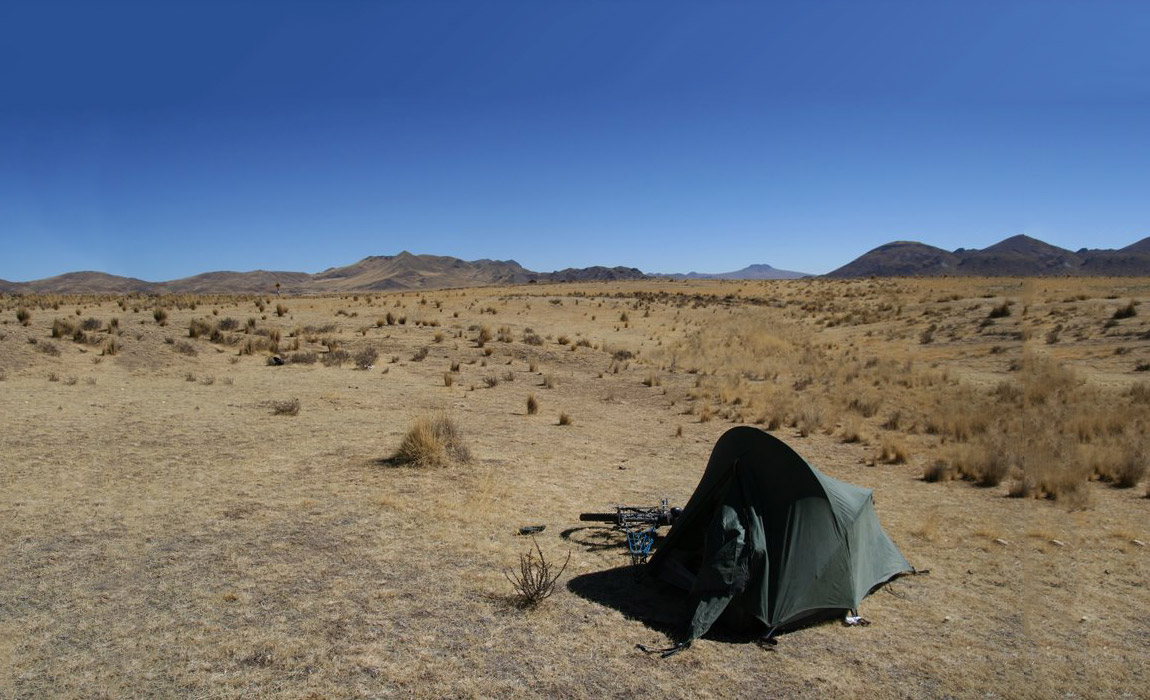
I always say, “No, I was never robbed.” Was it luck?—I ask myself. I don’t know if it’s luck, but that’s the fact. I traveled for a year, passing through every kind of place imaginable, camping alone and trusting strangers.
So I started a brief search to find out whether I was some lone lucky guy—blessed and enlightened. Thanks to my time on the road, I had the chance to meet other people who did things similar to what I did. Talking with them, I realized they had impressions much like mine—especially the feeling that the world is good and people aren’t trying to trick you every time.
Then I thought: “Is this a typically Brazilian insecurity?” In part, it might be. You can’t deny we live in a violent country. Especially in big urban centers, the number of homicides, for example, is significant—though it has also fallen considerably over the last decade. But the issue isn’t that simple. There’s violence in Buenos Aires and in Santiago, Chile too.
That must be the point: big cities. When I was in Argentina, two Brazilian women were robbed at a tourist spot in Buenos Aires. When I was in Chile, a Brazilian couple was robbed in Santiago. Is the violence cliché real?
How did I make it through so many South American cities unscathed? How did my cyclist friends manage too? Does God protect drunk people, children, and bicycle travelers?
I know stories of cycle-tourists getting into trouble, but they’re absolute exceptions. A couple of friends had some gear stolen in Bolivia during a split second of distraction. Another acquaintance fell for a scam, had his bank card stolen in Peru, and barely avoided taking a loss. I also remember an American who had all his equipment stolen in El Chaltén, Argentina, when I was there. Is it possible that I, in the innocence of someone living a big dream, only saw what I was predisposed to see? If so, it may mean I have an overly positive view of the world. That must be good!? But the good people who crossed my path weren’t fictional characters! How many times did they help me!
When I crossed BR-364, which connects Acre to the state of Rondônia, people told me I was crazy and that not even motorcyclists risk traveling there alone. Honestly? I doubt it! Do you know how many times I felt at risk? Not once! On the contrary, I had very peaceful days, and I was gifted an incredible night that ended with a group of children surrounding me, listening attentively to everything I said, fascinated by the bicycle. I was given a place to camp and a hot plate of food. This was at a gas station, on the edge of that “dangerous” highway.
My friend Vincent also spent a year cycling through Latin America. He even went to Cuba… and had his bicycle stolen in Paris as soon as he got back home! Misplaced clichés!?
As you can see, I have far more questions than answers. That’s how I came back from my trip. But I’m certain of one thing: if you don’t go, you’ll never know. The fear that alienates you doesn’t save you from the world. You have to free yourself from other people’s clichés to become a bicycle traveler.
A traveler on a loaded bicycle is something different—unusual. It’s different from a backpacker on foot or even someone traveling by car. That must be the fundamental point: the bicycle makes all the difference.
More practically speaking, the behavior of the person traveling is essential—especially if you’re alone.
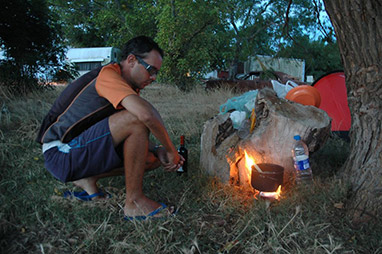
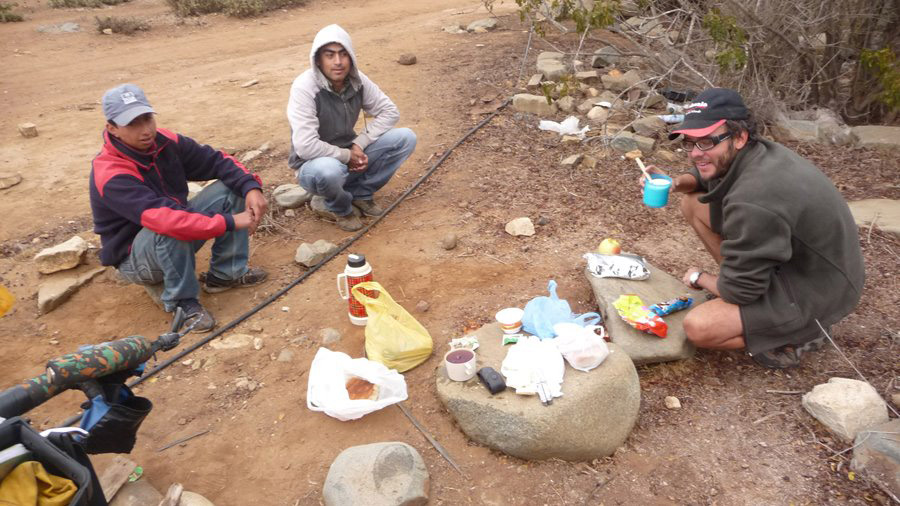
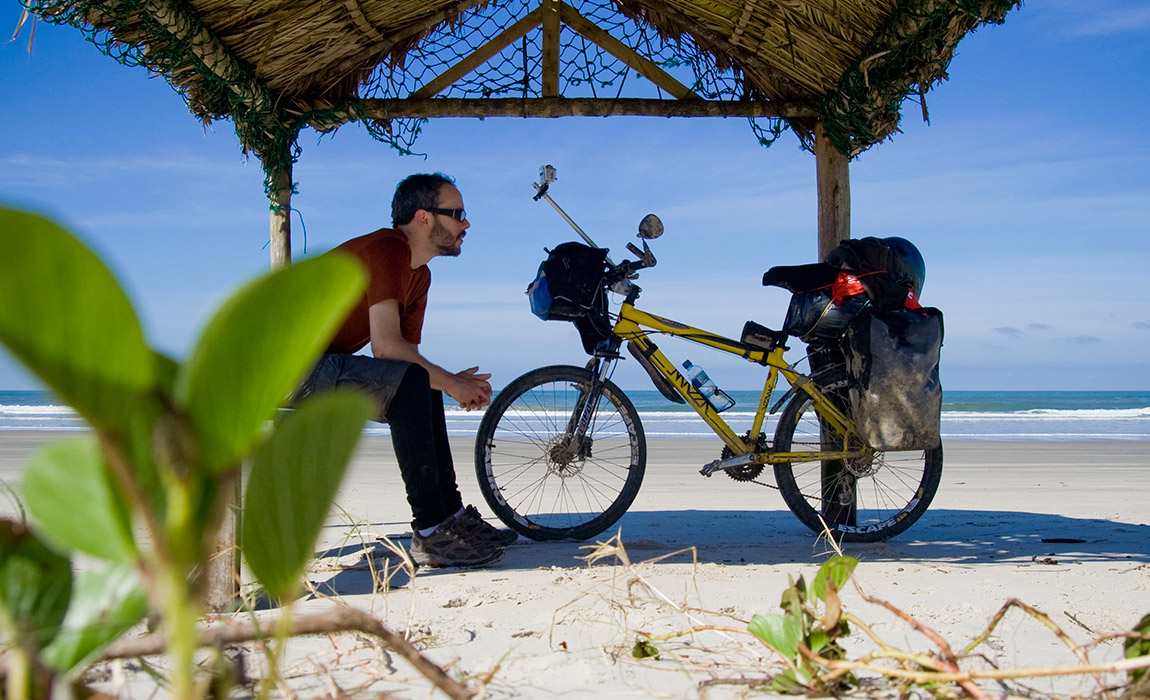
What I did was try to be as discreet as possible. I didn’t wear very colorful clothes, the kind typical of competitive cycling. There’s no need to dress like a racer! My panniers and bike were neutral colors. I kept cameras and electronics well stored away. The GPS, even though it stayed on the handlebar, was wrapped in a cover that hid it almost completely and could be easily removed if needed. My bike was not impeccably clean.
On several occasions I avoided camping on the streets of cities. When it was unavoidable, I moved away from the city and then away from the highway far enough not to be easily seen. Once, in the Peruvian Amazon, after I couldn’t find lodging in a small town, I followed the road out of town and waited for nightfall. That way I set up camp in the dark and no one knew I was there, just a few meters from the highway.
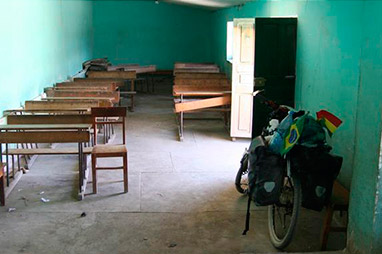
I rarely moved away from the bicycle. Even when I entered a store, I kept it in my line of sight. Many times, in small inns, I slept with the bicycle inside the room.
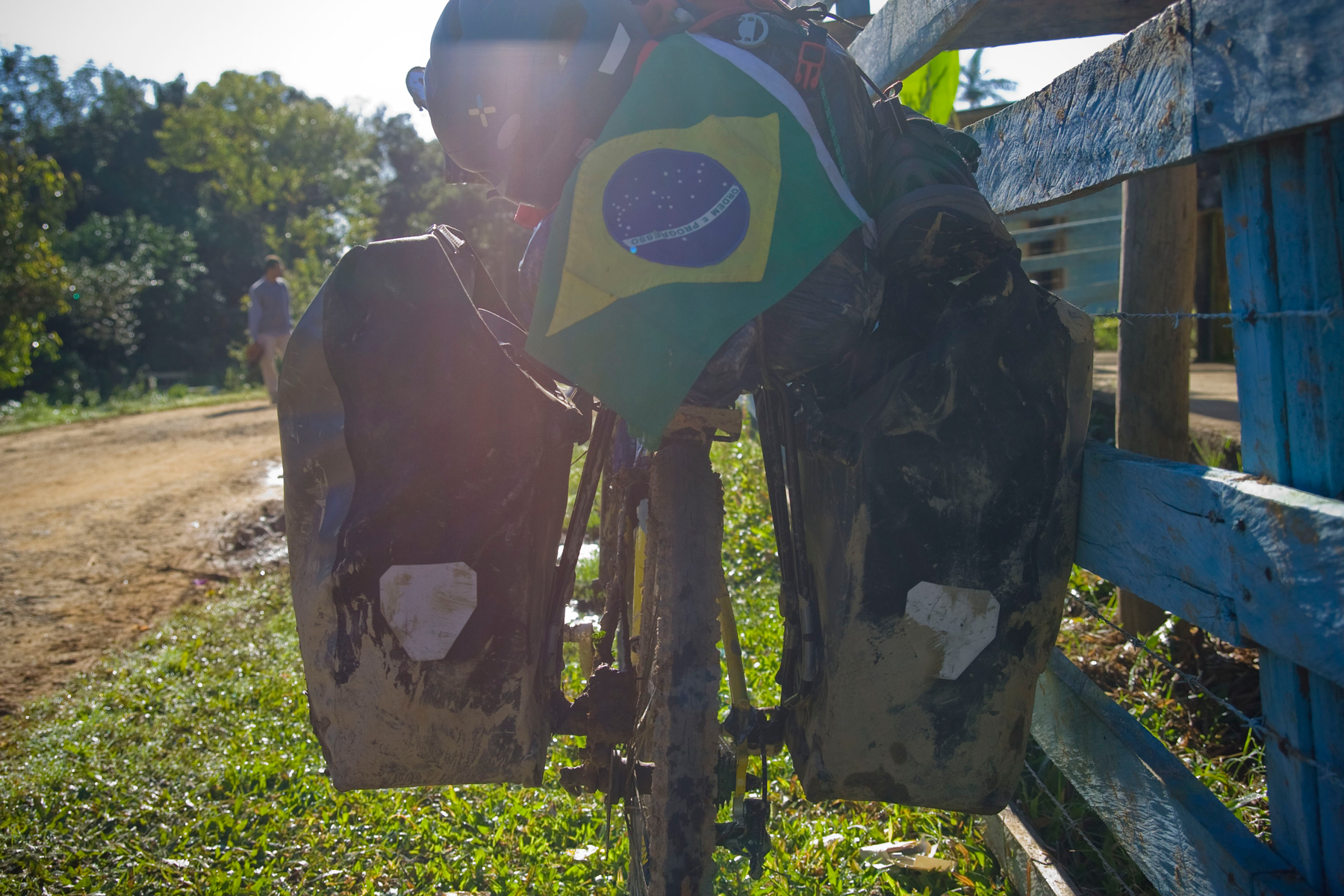
Making it clear that you’re Brazilian and not a foreigner also makes your life much easier—especially in South America.
Another important point is to pay attention to the people around you. Strange presences and looks that go beyond mere curiosity are a sign to look for another place. These tips may sound silly, but the moment you ignore one of them, you’re already giving luck a chance to turn.
If you feel safe, you’ll be more at ease, and that way you’ll blend into the environment more naturally. You’ll enjoy all the benefits of using this magical way of traveling—the bicycle—which, more than anything else, helps bring people closer together.
Of course you can’t just sit around expecting people to treat you well if you don’t do the same. Someone even wrote a book about that. I haven’t read it, but I know the subject well. Being aggressive, always complaining, scowling, or too closed off doesn’t help. Human relationships aren’t a one-way street. Sooner or later you’ll have to open up and trust someone.
I have two stories in the book that illustrate what I’m trying to say:
[…] I approached the young man who was working, told him my story, and asked for a place to pitch my tent. His name was Igor, and as I looked at the huge number of stickers that many travelers had gradually placed on the station door, I talked with him. Little by little, I shared a bit about the journey and gained Igor’s trust. In fact, I could see his expression changing as I spoke about what I was willing to do. He was impressed and confessed that his great dream was to travel too, but until then he hadn’t found the time to leave that place. I asked if it was possible to camp beside the station, and he suggested an abandoned building that many years ago had been a huge restaurant. I set up the tent inside the building. Although the place was a bit dirty, it had a roof, and that way I could use only the inner part of the tent, since I wouldn’t have problems with wind or rain.
I went back to the station’s shop and then Igor’s wife, Juliane, showed up and we started talking. Later, a surprise: they invited me to camp in their garage. They lived next to the station. Igor, very spontaneously, said: “Pitch your tent in my garage—come on! We’ll have dinner and watch the soap opera together.” Incredible, I thought. I moved everything right away and sat at their table for dinner. After that we talked for hours and hours. The most surprising part was that they trusted me so much that at no point did they lock the door that led to the kitchen; on the contrary, they said I could come in if I felt thirsty. This time they trusted me. Next time it would be my turn:
[…] On the morning of the next day, September 8th, I went to the port to board the boat to the island. When I was on the shore of the lake, I realized it would be a waste of energy to take my bicycle with all my things just to stay there for a few hours. That’s when one of the Bolivian employees of the tourism company suggested that maybe I could leave the bicycle and luggage in their office. Well, once again I had to trust people with my eyes closed. I left everything I owned inside the company office, in plain view of everyone on the street. The atmosphere of the place invites you to do things like that. I didn’t think much about it. I boarded the boat toward the so-called Isla del Sol.
[…] I decided to stay a few days. I didn’t know how many yet. My concern was my bicycle, which had been left at the tourism agency office along with all my luggage—except my photo camera, camcorder, and documents. I was worried, but I told the boat staff I would stay, and I also asked a favor of an Argentine couple I had met on the boat: that they keep an eye on the bicycle for me. Today I think about the craziness of leaving everything there, but I’m also happy I trusted someone and that everything turned out fine. I returned to the agency office, two hours away by boat, only two days later to pick up the bicycle. That day, it was my turn to trust strangers.
The world is gooo!