Bicycle touring is much more than covering physical distance or enduring athletic strain. It is an unfiltered immersion at the true speed of the world, where traveling on two wheels dissolves apprehension, brings strangers together, and reveals the profound kindness of people along the way. Here is what 365 continuous days on the road taught me.
1. The Decision to Leave: Breaking the Comfort Zone
Before rolling out my front door, I led a settled, comfortable routine: a stable position in Ourinhos, São Paulo, and all the convenient rationalizations we build to postpone our true passions. Undertaking an extended bicycle tour doesn’t call for superhuman courage or thousands of dollars in high-tech expedition gear. It requires only one thing: the willingness to take that initial pedal stroke away from home.
On my second morning out, I crashed on a descent and fractured my wrist. Sidelined for 50 days in a cast, I lost my physical fitness, but gained the most pivotal insight of the journey: I slashed my gear in half. I saw that we load onto our bikes the exact same unnecessary clutter and insecurities we carry through ordinary life.
With an adapted 26-inch mountain bike, waterproof panniers, and a budget averaging $15 per day, I cycled for an entire year: down the southern coast of Brazil, across the endless grasslands of Uruguay, through the wind-battered expanse of the Argentine Patagonia down to the End of the World in Ushuaia, up Chile's legendary Carretera Austral, through a month of total desert solitude in the Atacama, over Andean high passes above 4,700 meters in Bolivia, down a thrilling three-hour descent into Peru's Amazon basin, and finally on riverboats and trails across the Brazilian Amazon to Belém do Pará.
🗺️ Looking for the 15-Chapter Continental Itinerary?
If you are seeking the step-by-step route across South America—with an interactive map, high-altitude pass logistics, desert climate details, and border crossing tips—visit our comprehensive itinerary feature:
View the South America Route & Interactive Map →2. Most Impactful Places
Awe-inspiring wilderness where silence and immense horizons restore a sense of proportion. Click any photograph to view in high resolution:
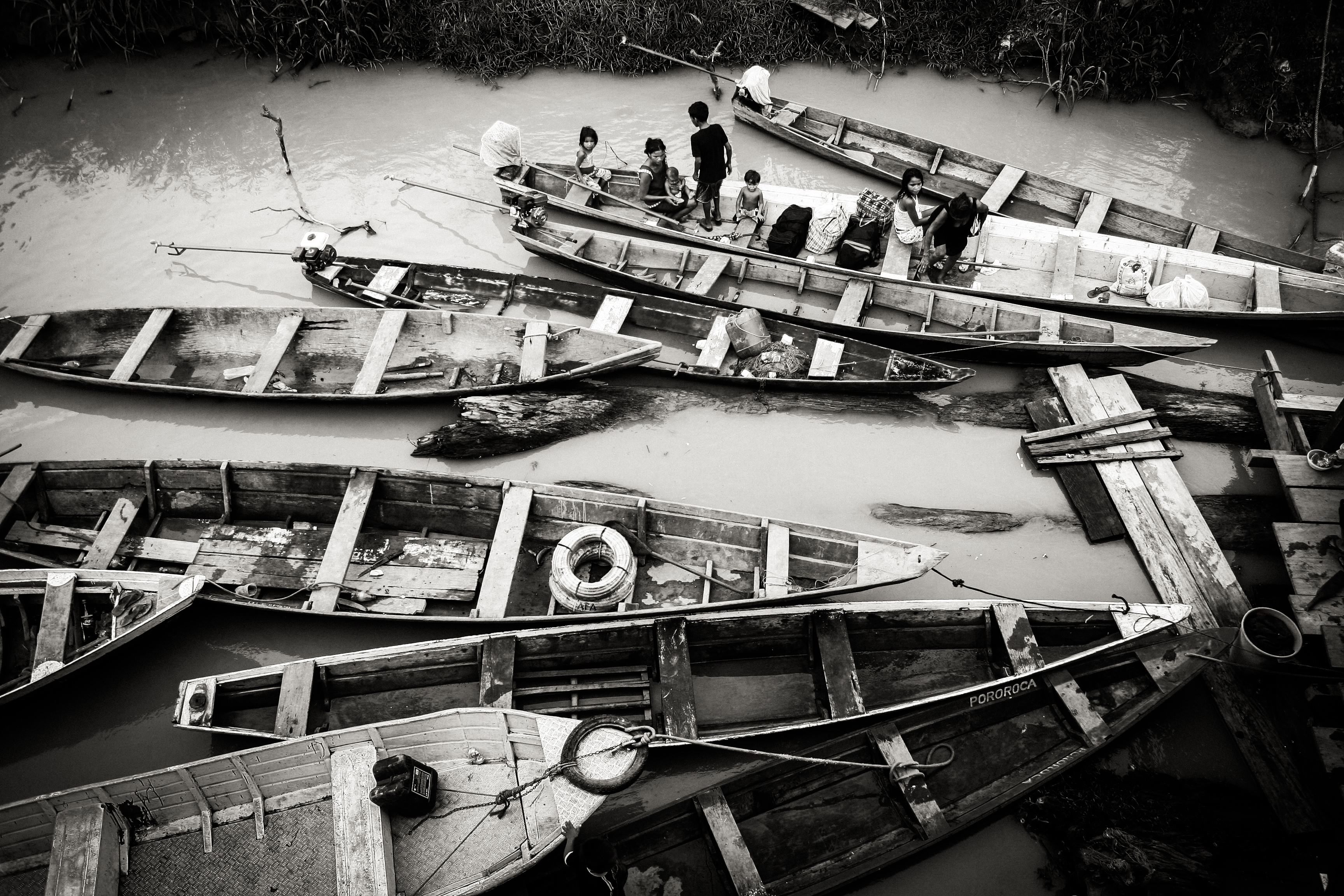
Salar de Uyuni, Bolivia
3,650 m elevation • Endless white horizon
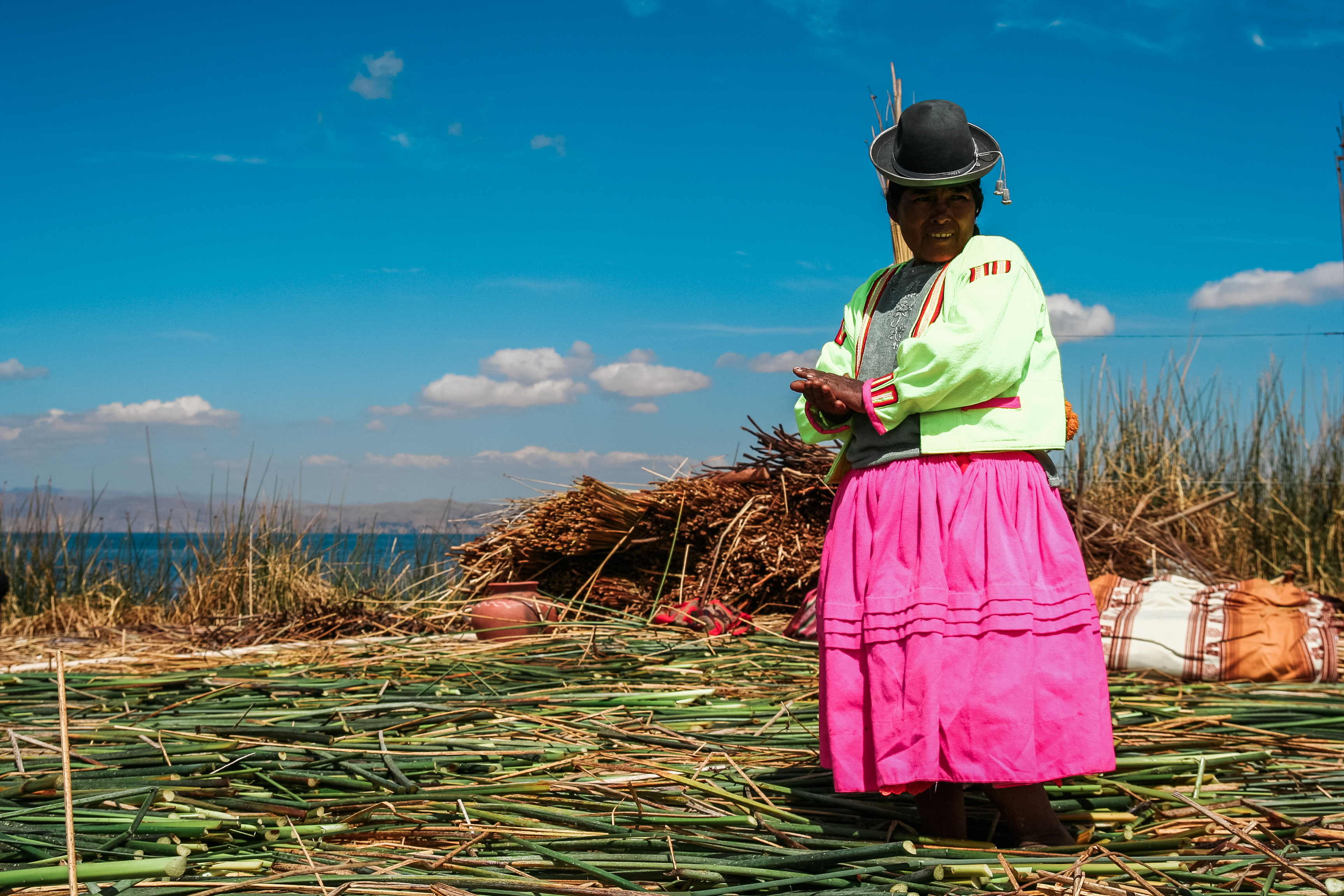
Atacama Desert, Chile
Driest desert on Earth • 30 days of deep solitude
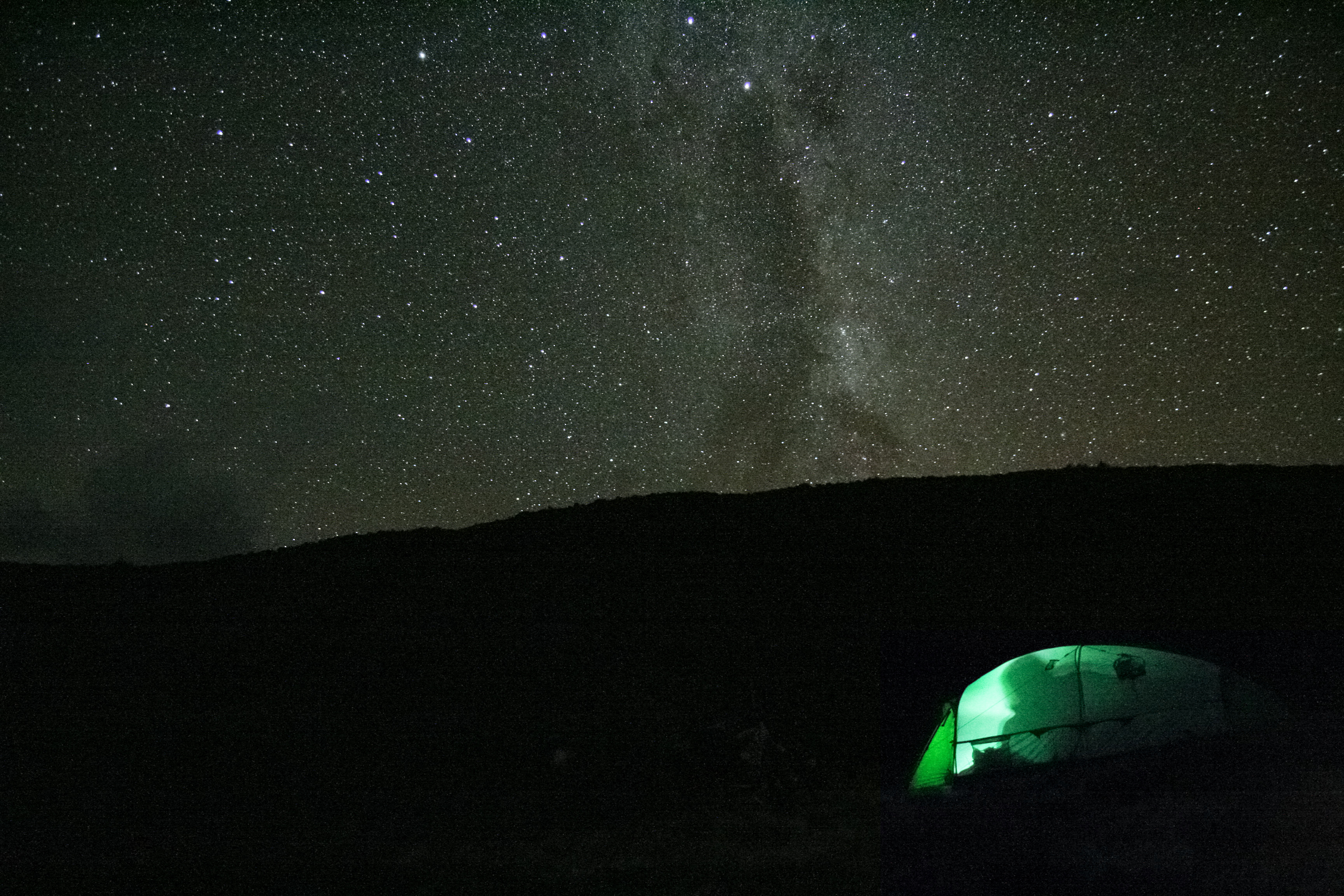
Carretera Austral, Chile
Glaciers, fjords • The heart of wild Patagonia
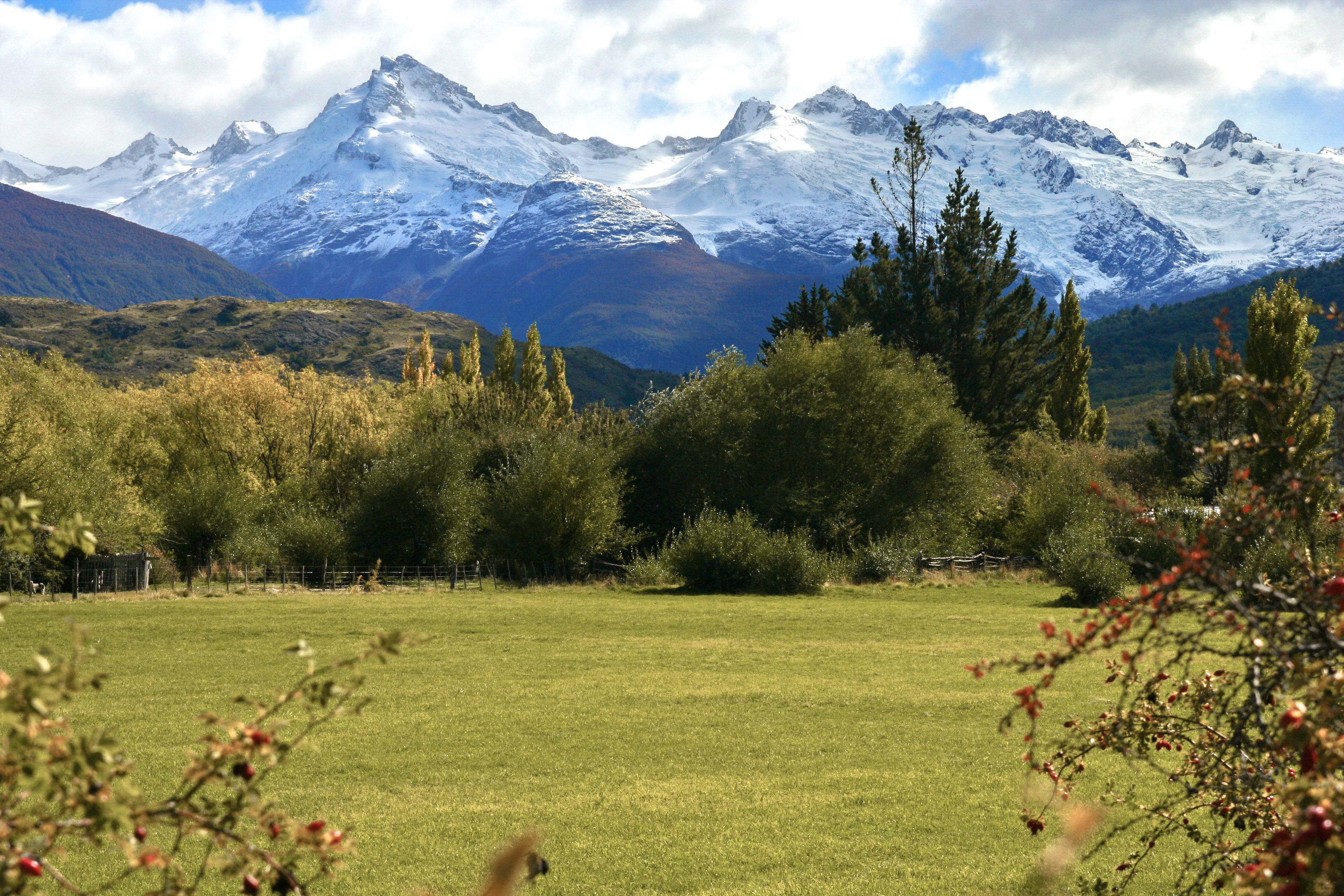
Ushuaia & Tierra del Fuego
The End of the World • Southernmost town on Earth
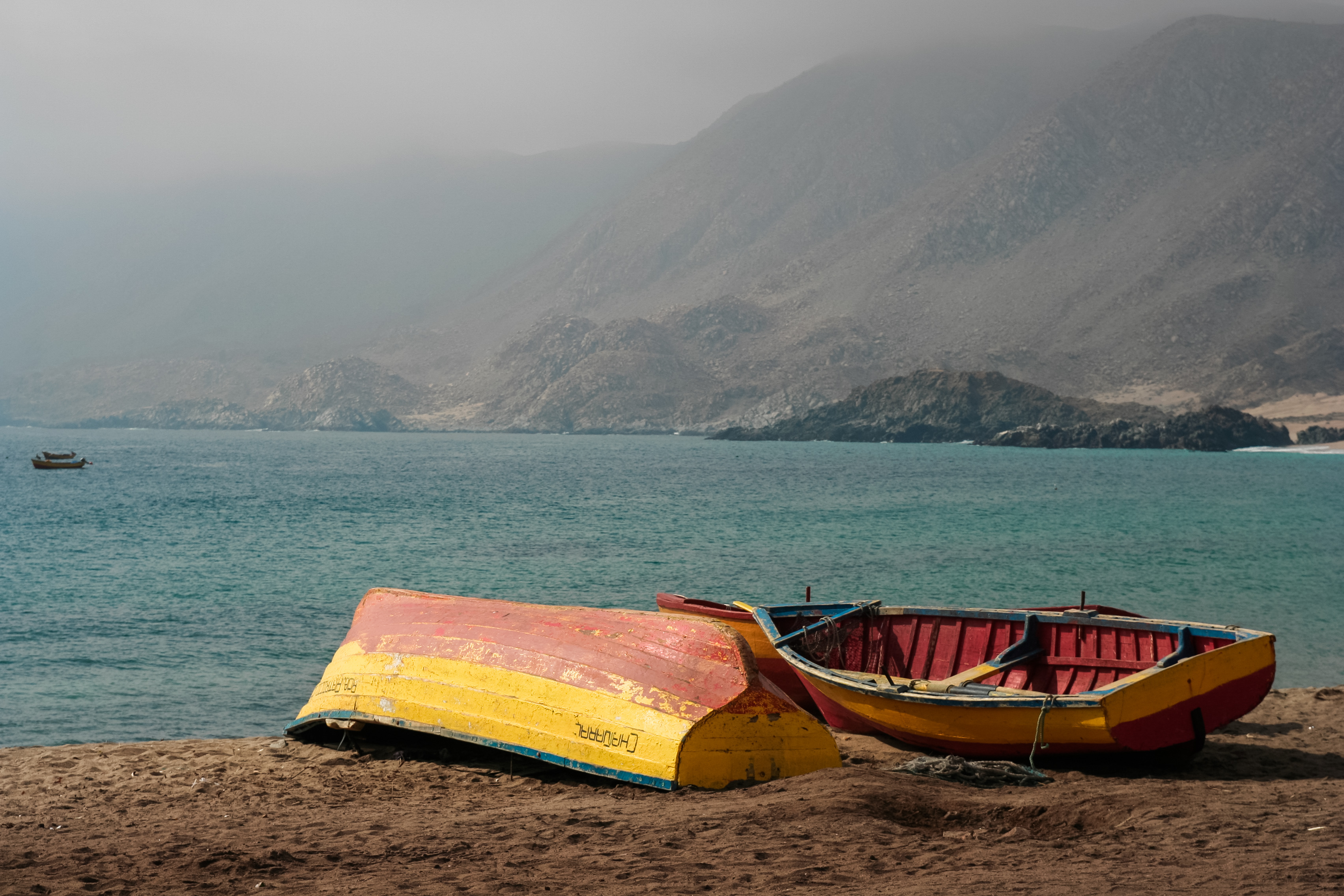
Lake Titicaca & Isla del Sol
3,812 m elevation • Mythical cradle of the Incas
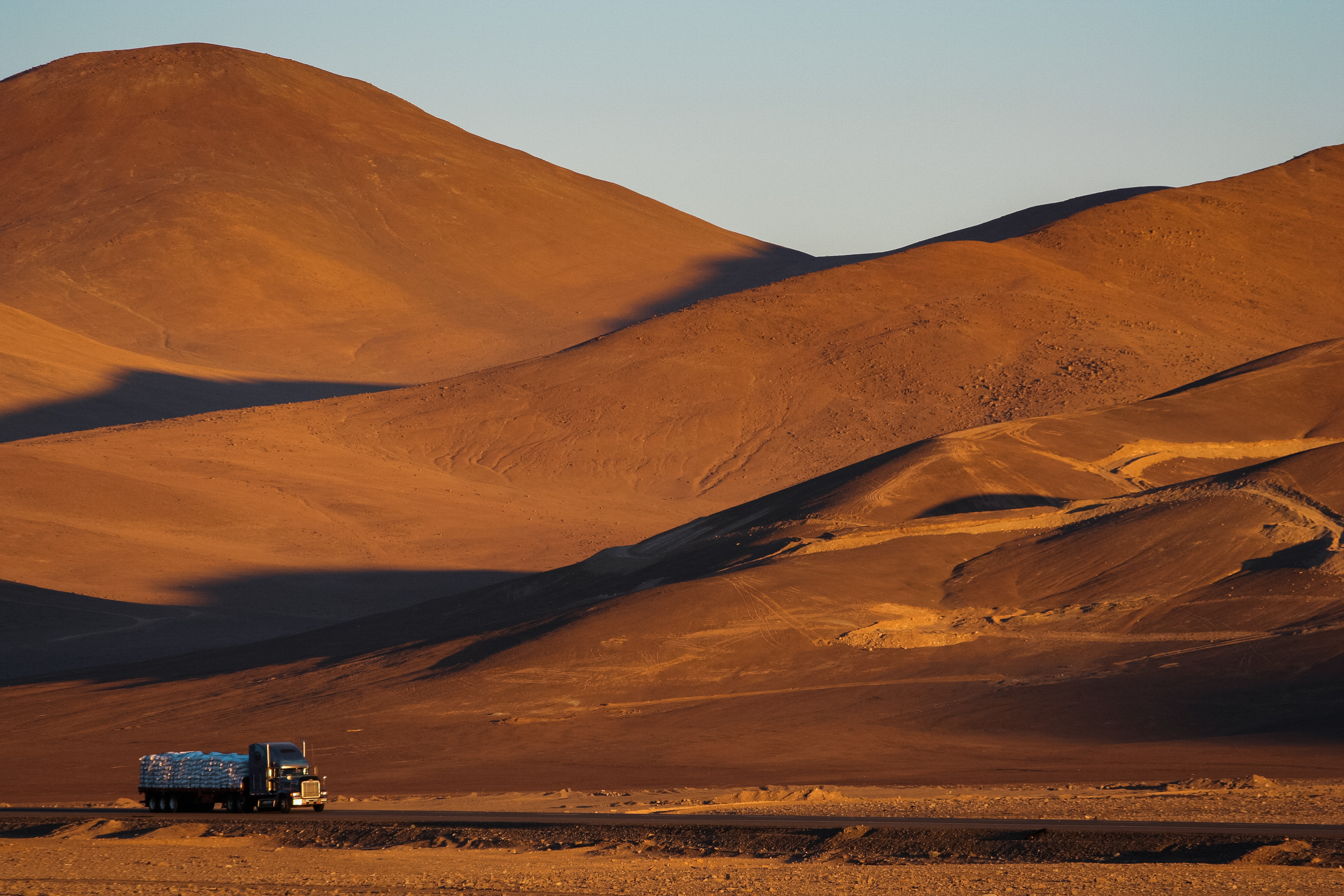
Andes to the Amazon, Peru
4,725 m pass • 3-hour descent into the rainforest
3. Humanity on the Road: 5 Lasting Lessons
When I first set out, I pictured a journey defined by scenic vista points and photography. But over months on the road, I realized that what genuinely transforms a bicycle traveler is the people. Rolling into a small community on a loaded bicycle awakens something fundamentally pure in the human heart:
Igor’s Blind Faith in a Stranger
After a grueling day battling the icy Minuano headwind near the border with Uruguay, I rolled into an isolated gas station and asked an attendant named Igor if I could pitch my tent behind the building. He pointed toward a disused roadside diner. As I set up camp, we chatted, slowly shedding caution and finding easy rapport.
He lived right adjacent to the pumps. I shared dinner with his family, watched evening television in their living room, and when it came time to sleep, he left the door linking the kitchen to the garage unlocked throughout the night.
Children Around the Tent on the "Dangerous Highway"
When planning my northern route across Brazil, warnings were unrelenting: "You’re out of your mind; not even motorcyclists risk that stretch alone, it’s far too perilous." At the very first village along the highway, I pitched my tent on the dusty clearing behind a humble waystation.
That moment unfolded right beside the road everyone described as terrifying. Those children wanted nothing more than to dream along and run their hands over the panniers of someone who had pedaled across a continent.
The Late-Afternoon Water Bottle Formula
With time on the road, you learn to read your surroundings and disarm defensive reflexes. I built a simple habit for days when sunset neared without a campsite in sight: I’d pedal past a rural home, smell home-cooked dinner drifting from the chimney, and stop by the front gate with a warm smile and an empty water bottle in hand.
Arriving on a loaded bicycle never signals a threat; it sparks empathy and quiet admiration. The bicycle is the most genuinely human vehicle on Earth because you travel unarmed and vulnerable.
The Note at Taim and an Unlikely Reunion with Vincent
At the Taim Ecological Reserve in southernmost Brazil, I camped alongside the volunteer fire department and scribbled my website address on a slip of paper. Weeks later, Vincent, a French-Chilean cyclist riding from Rio de Janeiro to Cuba, stopped at the exact same post and spotted my note.
We met up, became steadfast partners, and tackled more than 2,000 km together across the wind-whipped Patagonian steppe. We were two rookie riders: ran dry of water one afternoon in the scrub desert, relied on benevolent truck drivers for refills, and learned to hammer out 150 km days side by side.
The "Forgotten" Bicycle on Isla del Sol
In Copacabana, on the shores of Lake Titicaca, I planned to take the ferry to visit mystical Isla del Sol. The ticket agent convinced me: "Leave your bicycle here in our agency office; on the island, you'll only be hauling 45 kg up steep Inca stone staircases." My loaded bike remained parked right in the front window, visible from the sidewalk.
For a full week, my most valued earthly possession was safeguarded by an attendant I’d known for five minutes. He honored that unspoken bond with total integrity.
4. Keynote Talks & Media
This expedition inspired thousands of people in conferences and gatherings. Below you can watch the official TEDx Talk and the full 1-hour comprehensive keynote lecture delivered at the National Cycle Touring Congress (CNVNC):
Official TEDx Talk (18 min)
The essence of the expedition, the courage to leave certainty behind, and personal transformation over 365 days of bicycle travel.
Full Keynote: Trilhando Sonhos (+1h)
Delivered at the National Cycle Touring Congress (CNVNC). Deep dive into expedition logistics, equipment choices, remote routes, and hardships. ★ Over 26,000 views and 175 comments (in Portuguese).

Enjoying the Story? Read the Complete Memoir
Long Ride South: A Year Through South America (available in English on Amazon and in Portuguese as Trilhando Sonhos) details every stage, hardship, route elevation profile, and QR codes linking to exclusive full-color photography.